Home Repairs Before Selling in Closter, NJ
Planning targeted home repairs before selling in Closter, NJ requires focusing on high-ROI exterior curb appeal updates, mechanical system servicing, and cosmetic refreshes rather than full gut renovations. With Bergen County single-family homes selling at an average of 103.53% of original list price in 2025 (NJMLS Statistics Report, Bergen County, Residential, single-family, full year 2025), condition is the central underwriting variable separating homes that generate multiple offers from homes that sit and accumulate price reductions.
This guide walks Closter sellers through a practical, ROI-focused repair strategy: what to address before listing, what to leave alone, and how to calibrate spending against the town's upper-tier price range.
Why Closter's Market Rewards Prepared Sellers
Closter ranked among Bergen County's top 10 towns by average sold price in 2025, recording an average sold price of $1,485,117 (NJMLS Statistics Report, Bergen County, Residential, single-family, full year 2025). That result reflects sustained buyer demand for well-located, well-maintained properties in the northern Bergen County corridor.
At this price tier, buyer expectations shift materially. Purchasers spending $1M or more typically arrive with detailed punch lists, experienced agents, and strong opinions about finish quality. A peeling front door or an outdated primary bathroom does not lead to a polite note in the offer; it leads to a lower bid or a passed-on showing. Condition gaps become negotiating leverage for the buyer rather than decorating preferences to fix later.
Bergen County inventory remained extremely tight heading into 2026, with months of supply at 1.20 for single-family homes in 2025 (NJMLS Statistics Report, Bergen County, full year 2025). Low inventory is a seller's structural advantage, but it does not eliminate the need for presentation. In a market this competitive, well-prepared homes still sell faster and above list, while poorly prepared homes still linger.
Before planning any repair budget, it helps to understand where your home currently sits relative to Closter's active market. Checking the Closter market snapshot offers an immediate look at current local inventory and pricing trends.
Start with a Systematic Walk-Through Before Spending Anything
The most common pre-sale mistake Closter sellers make is reaching for a contractor before completing a structured assessment. Spending money on the wrong items is worse than spending nothing: it depletes the budget while leaving the issues that actually move buyers untouched.
A systematic walk-through covers three zones.
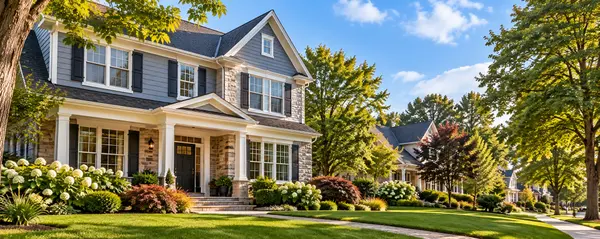
Exterior first. Stand at the street and look at the home the way a buyer will see it in listing photos. Note the condition of the roof, gutters, siding, front walkway, driveway, and entry door. These elements determine whether a buyer schedules a showing at all.
Mechanicals second. Walk through the basement or utility area and note the age and condition of the HVAC system, water heater, electrical panel, and any visible plumbing. Buyers and their agents ask about these specifically. Deferred mechanical maintenance creates the perception of a home that has not been cared for, regardless of how well the kitchen looks.
Interior cosmetics third. Assess flooring, paint, fixtures, and cabinetry in order of visibility: main living areas, primary bedroom and bathroom, kitchen, secondary bathrooms. This is where sellers tend to over-invest. Restraint here often produces better returns than lavish spending.
After the walk-through, sort every item into three categories: fix it, disclose it, or leave it. Not everything needs to be fixed. Some items simply need to be disclosed clearly so they do not surface as surprises during negotiations.
Others, particularly cosmetic personal preferences that fall within current market norms, are best left alone. Reviewing the seller information guide outlines what to expect through every stage of the listing process.
The Repairs That Consistently Pay Off in Closter's Price Range
Curb Appeal and Exterior Condition: The First Impression That Determines Showings
Exterior projects claim the top three positions in the Remodeling 2025 Cost vs. Value Report (Zonda/JLC, 2025): garage door replacement (268% of cost recouped), steel entry door replacement (216%), and manufactured stone veneer (208%). For Closter sellers, the rationale is both data-driven and intuitive. At $1M and above, buyers are looking for a home that signals its own quality before they walk through the door.
Garage door replacement delivers the highest return on investment of any pre-sale project in the 2025 national data. If your garage door is dated, warped, or visually mismatched with the home's exterior, replacement is one of the clearest decisions available before listing.
Front entry. A steel or fiberglass entry door replacement is another top-tier curb appeal investment. The entry door sets the tone for the entire showing. A chipped or dated door, or one that sticks, communicates deferred maintenance before the buyer sees a single room.
Roof and gutter condition. Buyers at this price point routinely request roof age documentation. A roof that is 15 or more years old, showing visible wear, or generating buyer concern is worth addressing, whether through full replacement or a documented recent inspection that confirms remaining useful life. Gutters that sag, pull away from fascia, or show obvious deterioration undercut an otherwise strong exterior.
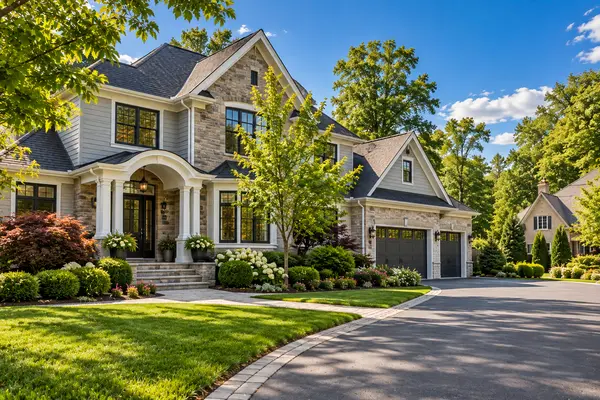
Landscaping and hardscape. Fresh mulch, trimmed hedges, edged walkways, and clean driveway surfaces cost relatively little and photograph exceptionally well. Cracked front walkways or patchy lawns are among the first items buyers comment on during showings.
Interior Mechanical Systems: The Category That Kills Deals Quietly
The mechanical systems that most reliably create buyer objections in Closter's upper-tier market are the HVAC system, water heater, and electrical panel. Addressing each of these before listing removes the most common conditional offer triggers and prevents mid-transaction renegotiations.
Buyers at this price point are not looking for projects. A 20-year-old HVAC system or an electrical panel flagged by a buyer's agent creates a conditional offer, a price adjustment request, or a decision to look elsewhere. These items do not need to be new; they need to be documented, functional, and not visibly alarming.
HVAC. If the system is functioning properly, have it serviced and keep the service records visible for buyers and their agents. If it is aging into the range where replacement is likely within a few years, get a contractor's assessment before listing. Knowing the realistic cost gives you negotiating data.
Water heater. Standard life expectancy is roughly 10 to 15 years. A water heater that is 12 or more years old will draw scrutiny. Replacement is relatively modest in cost and removes a common objection entirely.
Electrical. Federal Pacific or Zinsco panels are red flags that sophisticated buyers and their agents recognize immediately. If your home has either, a licensed electrician's assessment is worth completing before the listing goes live.
Kitchen and Bathrooms: Targeted Refreshes Over Full Gut Renovations
For Closter sellers, kitchen and bathroom improvements should target cosmetic refreshes rather than full gut renovations. The 2025 Remodeling Impact Report (NAR/NARI, April 2025) found that the areas where REALTORS® observed the highest increase in buyer demand over the two prior years were kitchen upgrades (48%), new roofing (43%), and bathroom renovations (35%). The same report identifies painting the entire home as the most commonly recommended pre-sale project, cited by 50% of REALTORS® surveyed.
Buyers expect kitchens and primary bathrooms that are clean, functional, and updated. They do not expect a showroom renovation. A full gut remodel completed weeks before listing rarely returns its cost. A targeted refresh covering new hardware, updated lighting, a fresh coat of neutral paint, and refinished or replaced countertops where visibly worn addresses the aesthetic gap at a fraction of the price.
Paint throughout. Interior paint is consistently the highest-return cosmetic investment available to sellers. Neutral tones throughout the main living areas and bedrooms allow buyers to project their own vision onto the space. Scuffed walls, bold accent colors, and dated wallpaper all narrow the buyer pool.
Flooring. Refinishing hardwood floors, where they exist, typically returns well against cost in Bergen County's upper-tier market. Replacing carpet in main living areas with a clean, contemporary material also improves buyer perception substantially.
Fixture updates. Dated brass fixtures, builder-grade ceiling fans in primary bedrooms, and mismatched hardware in kitchens and bathrooms signal an unmaintained home more loudly than their individual replacement cost would suggest. These are high-perception, low-cost updates.
What Not to Fix Before Selling in Closter
Knowing what to skip matters as much as knowing what to address. Several categories of spending commonly absorb seller budgets without producing proportional returns.
| Project | Why to Skip It |
|---|---|
| Upscale Primary Suite Addition | Recovers approximately 18% of cost at resale nationally ($351,613 job cost / $63,136 resale value, Remodeling 2025 Cost vs. Value Report, Zonda/JLC, 2025). A major structural addition completed weeks before listing almost never closes that gap at the closing table. |
| Luxury Appliance Package | Buyers at this level frequently have their own appliance preferences and will often request credits rather than the specific units a seller installs. Replacing functional appliances with top-of-the-line brands rarely changes offers in meaningful amounts. |
| Pool Installation | Pools rank among the lowest-ROI pre-sale investments nationally. Bergen County buyers have varied opinions on pools, and an installation completed for sale purposes almost never recovers its cost. |
| Over-Improving Relative to Neighborhood Comps | In Closter, neighborhood-level pricing discipline matters. A $120,000 kitchen renovation in a block of homes where comparable properties sell without such renovations does not produce $120,000 in additional value. The market establishes ceiling prices, and over-improvement simply compresses seller margin. |
Prioritizing the Repair Budget: A Practical Framework
For most Closter sellers preparing a home in the upper price range, a practical approach flows in this order.
- Address anything that a buyer's review would flag as a material defect. Roof condition, structural issues, plumbing leaks, and failing mechanicals should be resolved or documented before listing.
- Maximize exterior presentation. Garage door, entry, landscaping, and driveway condition are photographed and viewed by every prospective buyer before they ever request a showing.
- Refresh paint and flooring throughout main living areas. These two investments consistently deliver the strongest per-dollar improvement in buyer perception.
- Update kitchen and bathroom cosmetics selectively. Hardware, fixtures, lighting, and countertops where visibly dated or damaged.
- Leave personal preference items alone. Buyers at this level factor in their own updates. The goal is a neutral, well-maintained canvas, not a fully personalized renovation.
For homes priced below $800,000, the same prioritization logic applies. Scale the investment proportionally to the expected sale price and local comparable sales, concentrating on mechanical condition and exterior presentation before any interior cosmetic spending.
Disclosures Matter as Much as Repairs in New Jersey
Sellers in New Jersey are legally required to provide buyers with full and accurate disclosure of all known material defects in the property. Items you choose not to repair still need to be disclosed accurately. Transparent disclosure of known conditions, combined with a realistic asking price that accounts for them, often produces a cleaner and faster transaction than attempting to conceal issues that a buyer's review will surface regardless.
A seller disclosure completed thoroughly before listing is also a negotiating tool. Buyers who enter a transaction knowing the home's condition upfront tend to price their offers more confidently than buyers who discover issues mid-process and become uncertain about what else they may not know.
Timing: When to Begin Repairs Before Listing
Most of the highest-ROI pre-sale projects, exterior refreshes, interior paint, flooring refinishing, and cosmetic kitchen and bathroom updates, require four to eight weeks of lead time when coordinated properly. Closter's market moves quickly: aggregated MLS listing data for Closter shows homes selling after an average of 80 days on market over the three months ending July 2026. Homes that are not prepared before they launch lose time and buyer attention in a market where initial momentum matters.
Begin the walk-through and contractor scoping at least 60 days before your target list date. This window allows repair work to be completed, photographed, and presented without the compressed timelines that lead to budget overruns and substandard workmanship.
Putting It Together: What Closter Sellers Should Do First
For Closter sellers preparing to list in 2026, the clearest path to a strong outcome is disciplined prioritization: address mechanicals, invest in exterior presentation, refresh interior cosmetics, and leave structural additions alone. Understanding How to Price Your Home in Closter, NJ alongside these repairs ensures your property is aligned with current buyer expectations from day one. The framework above provides a repeatable process regardless of where your home currently sits on the condition spectrum.
To understand where your home stands before planning any repairs, submitting a home valuation request provides current market context for Closter pricing, helping determine how much pre-sale investment the numbers support. If you are preparing to list your property or would like professional guidance on prioritizing repairs for your home, feel free to contact our team directly to discuss your selling goals.
Frequently Asked Questions
-
Which home repairs have the highest return before selling in Closter, NJ?
Exterior projects deliver the strongest returns. The Remodeling 2025 Cost vs. Value Report (Zonda/JLC, 2025) puts the three highest-ROI projects nationally at garage door replacement (268%), steel entry door replacement (216%), and manufactured stone veneer (208%), all exterior improvements. Among interior work, fresh neutral paint throughout the main living areas and hardwood floor refinishing rank as the most cost-effective investments for Closter's upper-tier market.
-
Should I fully renovate my kitchen before selling a Closter home?
Full gut renovations rarely recover their cost at the closing table in Bergen County's upper-tier market. Concentrate spending on hardware, lighting, neutral paint, and countertop replacement where visibly worn. The 2025 Remodeling Impact Report (NAR/NARI, April 2025) found kitchen upgrades rank among the areas where REALTORS® most frequently observed increased buyer demand, but buyer demand for an updated kitchen is not the same as demand for a brand-new one.
-
How much should I budget for pre-sale repairs in Closter's price range?
The appropriate number depends on your property's specific condition and its position relative to comparable homes in Closter. Sellers in the $1M-plus range typically see the strongest results when spending concentrates on mechanical systems showing age, exterior presentation, and interior cosmetics, rather than structural additions or luxury appliance upgrades. Getting a market valuation before setting a repair budget is the most reliable way to calibrate spending against realistic sale price expectations.
-
Is Closter still a strong seller's market heading into late 2026?
Bergen County as a whole remains supply-constrained, with months of inventory recorded at 1.20 for single-family homes across 2025 (NJMLS Statistics Report, Bergen County, full year 2025), and Closter ranked in the county's top 10 by average sold price that same year. Tight inventory conditions support sellers structurally, but they do not eliminate the condition premium. Well-presented homes continue to generate stronger offers and faster timelines than homes that are dated or show deferred maintenance.
-
What should I disclose to buyers even if I choose not to make repairs?
New Jersey sellers are required to disclose known material defects. Items outside your repair budget should be documented accurately in the seller's disclosure. Transparent disclosure paired with appropriate pricing is consistently the more effective strategy: non-disclosure creates legal exposure and typically surfaces during negotiations in ways that are more disruptive to the transaction than upfront honesty.
Categories
Recent Posts